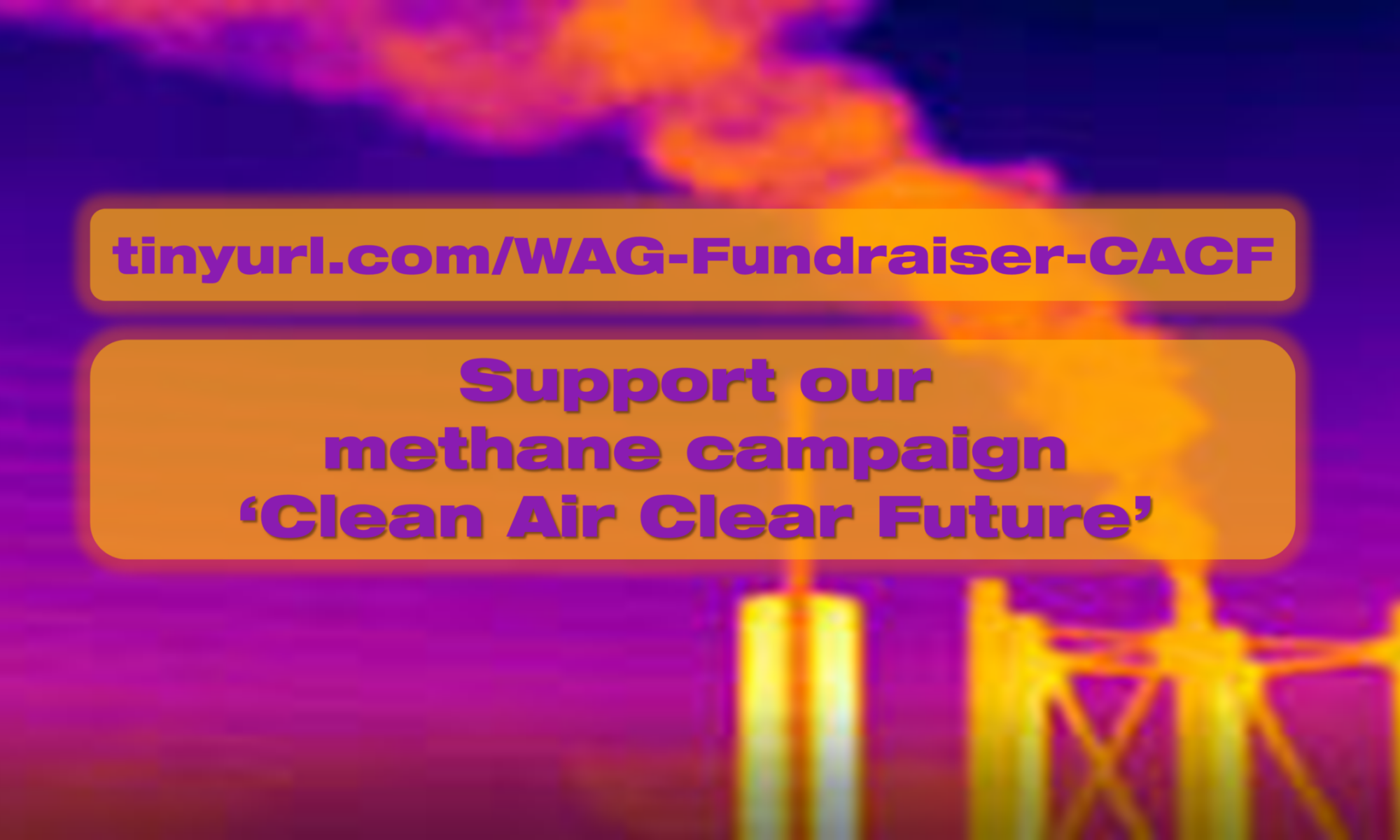
Methane is a fast-acting greenhouse gas that is at least 80 times more dangerous to our climate than carbon dioxide in the short term. It is the second biggest contributor to global warming after carbon dioxide and has already driven a third of the warming since the Industrial Revolution. Cutting methane pollution is one of the fastest and most cost-effective ways to slow climate breakdown this decade and reducing emissions of this gas has the added benefit of protecting public health by improving air quality.
The UK has shown some global leadership on methane. At COP26 in 2021, it played a key role in launching the Global Methane Pledge. 159 countries and the European Commission have since joined the Pledge, agreeing to take voluntary actions to collectively reduce global methane emissions by at least 30 per cent by 2030 compared to 2020 levels.
Yet in the UK, methane remains poorly regulated and largely hidden from public scrutiny. The UK’s leadership abroad must be matched by progress at home. Under current plans, the UK will cut its own methane emissions by 19.3 per cent by 2030. It must do better.
Farming and land use are responsible for 55 per cent of the UK’s methane emissions. Cattle are the biggest source. The next biggest is the energy sector, mainly the oil and gas industry. Methane is the main component of fossil gas – and it leaks, or is intentionally vented, from oil sites and other coal, oil and gas infrastructure.
One sector in particular has fallen through the cracks: onshore oil and gas. Methane pollution occurs across the entire lifecycle of this sector, from exploration and production, to site closure and abandonment. Filming at onshore oil and gas sites in England over the past seven years, using optical gas imaging cameras which makes invisible gases visible, has shown widespread evidence of this.
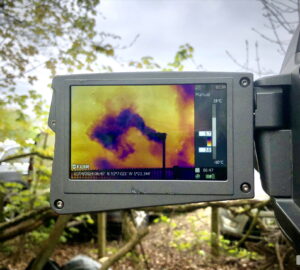
For example, in 2021, researchers from Clean Air Task Force, an international climate advocacy NGO, discovered significant methane emissions from oil and gas facilities in the Weald and other parts of the UK.
Regulation carried out by the Environment Agency is currently heavily reliant on industry self-reporting – essentially asking companies to mark their own homework. Venting and flaring of gas are still common, inspections infrequent, and leak detection is sporadic.
The technology to address methane emissions already exists. But without proper monitoring, reporting and verification, emissions remain hidden and regulators are turning a blind eye to the need to address this pollution. Gas is also deliberately wasted when it is burned in a flare or released to the environment through venting. This is gas which should be captured and used to heat homes or generate electricity.
In addition, methane pollution from onshore oil and gas is currently not included in the 2025 UK Government’s Methane Action Plan, undermining the credibility of the UK’s wider methane reduction commitments, particularly as it continues to present itself as a climate leader.
Through a legal challenge, Freedom of Information investigations and emerging field data, the Weald Action Group is exposing the regulatory loopholes and systemic failures seen on site to prevent emissions of this super pollutant.
What needs to change is clear – stronger regulation and enforcement by ending routine flaring and venting by 2030, robust leak detection and rapid repair across the sector, and inclusion of onshore oil and gas in national methane reduction policies.
Addressing onshore oil and gas methane emissions now would deliver rapid climate benefits, strengthen public health protections, and rectify a contradiction between the UK’s climate rhetoric and domestic regulation. Alongside our legal challenge, we will push for action that has been delayed for far too long.
More resources:
UK Methane Campaign response to UK’s Methane Action Plan
The case for UK methane action: A fast, cost-effective climate win – article by Rebecca Tremain of the Clean Air Task Force, 25 June 2025
The climate emergency brake: an ambitious plan to cut UK methane emissions – report by Green Alliance published May 2025
Methane’s role in the climate emergency – article by the South East Climate Alliance, 19 March 2022
SECA Knowledge Sharing: Methane – recording of an online held seminar held on 25 March 2022